




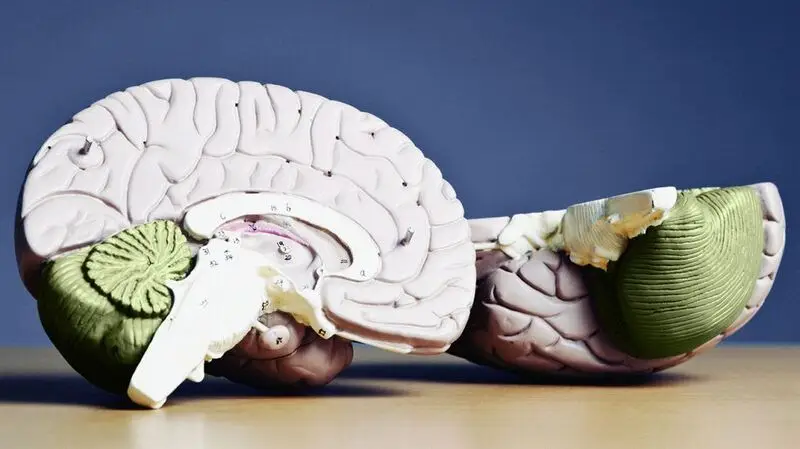
- A person’s brain health is affected by their physical and psychological health, experiences from infancy throughout their lifetime, and some environmental factors.
- Healthy lifestyle habits, such as eating a healthy diet, not smoking, not drinking to excess, getting adequate exercise and sleep, and avoiding stress, can all help improve brain health.
- In a statement published last week, the American Heart Association outlined how promoting healthy lifestyle behaviors, improving environmental conditions, and expanding access to health, social, and mental health care can protect brain health and reduce the risk of stroke and dementia.
Worldwide, the number of people ages 65 and over is expected to exceed 1.5 billion by 2050. And the goal is to remain healthy for as many of those years past 65 as possible. With cases of dementia rising, a key part of healthy aging is maintaining cognitive function and a healthy brain.
Last week, the American Heart Association (AHA) published a
The statement, which focuses on physical and psychological variables throughout life, highlights strategies that can help a person maintain brain resilience into older age.
“The main takeaway is that brain Health is not determined only by age or genetics. It is shaped across the entire lifespan by a combination of physical Health, mental Health, sleep, lifestyle, social support, environment, and access to care. The American Heart Association statement is important because it reframes brain Health as something we can influence much earlier and more broadly than we used to think.”
— Dung Trinh, MD, internist, of MemorialCare Medical Group and Chief Medical Officer of Healthy Brain Clinic in Irvine, CA
It has long been known that keeping your
The statement highlights 10 factors that can adversely impact the health of a person’s brain:
- Early life infections
- Adverse childhood experiences
- Socioeconomic factors
- Chronic medical conditions
- Stress
- Anxiety and Depression
- Pollution and environmental exposures
- Chronic inflammation
- Disruption of the gut microbiome (dysbiosis)
- Poor sleep quality
These factors can affect the body in several ways, in turn affecting brain health.
“Many of the habits we think of as ‘heart healthy’ turn out to be ‘brain healthy’ too. This statement reinforces that idea, while also highlighting factors that do not always get enough attention in research or in everyday clinical care. One of the most important messages is that brain health is shaped across our entire lives and not just in old age. Experiences and choices made early in life can have a real impact decades later,” Melinda (Mindy) Patterson, PsyD, an Assistant Professor of Neurology with the University of Rochester Medicine, told Medical News Today.
“That also means there is good news: no matter what stage of life you are in, there are steps you can take to lower your risk of stroke and cognitive decline,” she added.
“The AHA statement also reminds us that brain health is not just an individual responsibility. Environment, education, food access, health care access, housing, pollution exposure, and social support all matter. So the future of dementia prevention is both clinical and public health oriented.”
— Dung Trinh, MD
The statement says governments should enforce policies to control air pollution and improve air quality, as pollution from sources such as pesticides and microplastics can lead to neuroinflammation, oxidative stress, and neurodegeneration. It also advocates adherence to routine vaccination schedules to help people avoid infections that can damage brain health.
It highlights that a multifaceted approach to address socioeconomic factors (eg, geographic location, race) and systemic inequalities to promote equitable access to resources and opportunities (eg, safe housing, healthy foods, education, healthcare, and mental health services) is needed to ensure that these social determinants of health do not adversely affect brain health.
The AHA advises that straightforward lifestyle changes can positively impact brain Health, and that both individuals and clinicians play a role.
Trinh echoed Patterson in advising that what is good for the heart is generally also good for the brain.
“First,” he told us, “control vascular risk factors. High blood pressure, diabetes, high cholesterol, obesity, and smoking are major threats to long-term brain Health. Blood pressure control is one of the most important modifiable steps we have.”
“Second, prioritize sleep. Poor sleep and untreated sleep apnea can affect memory, attention, mood, inflammation, and vascular health. Sleep should be treated as a brain-health intervention, not as a luxury.”
Both Trinh and Patterson advocated regular physical exercise, with Patterson calling it: “The most important factor in preventing dementia and supporting brain health in the long term.”
Trinh explained why exercise is so beneficial: “Physical activity improves blood flow, metabolic health, mood, sleep, and cognitive resilience. Even walking consistently can be meaningful.”
Diet is equally important. Trinh noted that the AHA statement highlights the emerging role of gut health and the gut-brain connection, telling MNT that people should “eat in a brain-healthy pattern. I generally recommend a Mediterranean-style diet: vegetables, fruits, legumes, whole grains, nuts, olive oil, fish, and fewer ultra-processed foods and added sugars.”
And he emphasized that people should protect their mental Health and social connections.
“Chronic stress, depression, anxiety, and loneliness are not separate from brain health. They are part of the biology of aging. Social engagement, purpose, stress reduction, and treatment of mood disorders should be considered part of dementia-risk reduction,” Trinh added.
“Finally,” he told MNT, “avoid smoking, heavy alcohol use, and substance misuse, all of which can accelerate vascular and neurologic injury.”
This may seem like an awful lot to think about, but Patterson advised that people do not have to make lots of changes all at once to help protect their brains as they age:
“For many people, reading about all the things that can lower the risk of dementia feels overwhelming. When I work with patients, I encourage them to pick one or two things to focus on and start there. People are much more likely to succeed at making healthy changes when they set small, realistic goals.”
“Instead of trying to change your entire diet at once, try adding one extra serving of vegetables each day, or cut back on sugary foods. Instead of going from no exercise to working out every day, try adding just one active day to your week. Once you hit those smaller goals, you start to build confidence and momentum — and from there, making even more changes becomes much easier,” she told us.
“It’s never too early, and it’s never too late, to start protecting your brain.”
— Melinda (Mindy) Patterson, PsyD
.