



- Brazil is home to three of the 10 longest-lived male supercentenarians in the world.
- A new paper explores why Brazil is home to an unusually high number of long-lived individuals.
- The authors believe distinct genetic and immunological factors may be driving this effect.
The field of longevity is exploding. You can’t scroll an inch on your social media feed before you come across someone who claims they’ll live to 150.
Nine times out of 10, these people believe they can achieve this by spending huge sums on wellness “hacks,” untested treatments, and supplements.
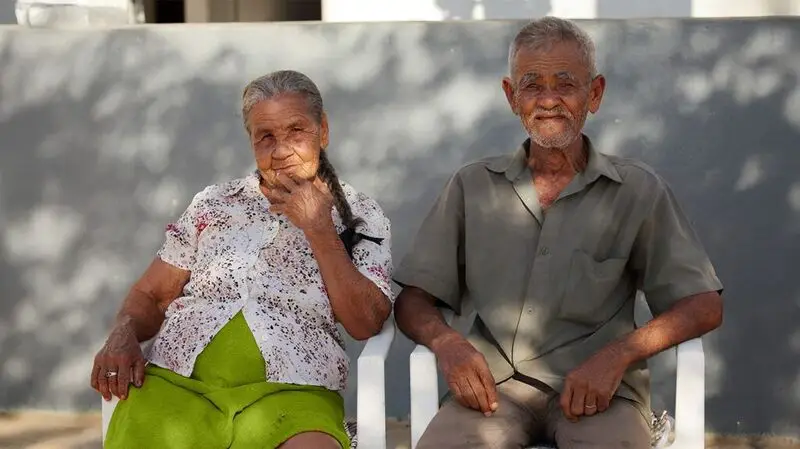
Only time will tell whether their high-cost, bespoke protocols will extend their lives. Meanwhile, in Brazil, many people — without access to $1,000-per-night wellness clinics or cryotherapy chambers — are routinely living to 100 and beyond.
Despite limited access to healthcare, many of these centenarians stay healthy even up until the end of their century-long lives.
A recent Viewpoint article in the journal Genomic Press describes ongoing genomic and cellular studies on some of these people.
This research aims to identify the biological signatures associated with surviving to advanced age. Before we dig into the research, here is some terminology:
- centenarians — people aged 100 years or older
- semisupercentenarians — aged 105–109 years
- supercentenarians — aged 110 years or older.
As the authors begin their paper, “Health span is a global goal.” It is not that people want to live long lives; it is more that they want to live Healthy lives for longer.
Also, individuals who make it to a healthy, advanced age must, by definition, have avoided the many diseases of aging that are some of the biggest killers, including dementia, heart disease, and cancer.
Studying the physiology and genetics of these long-lived individuals could help us develop more effective treatments or preventative approaches.
In the paper, the researchers call out recent research into long-lived individuals and explore some of the biological mechanisms that help keep these people younger for longer.
The first one is protein maintenance. As we age, our body’s ability to maintain and refresh the thousands of proteins needed for good health slowly fails. Supercentenarians, however, can clear faulty proteins as efficiently as much younger adults.
Another mechanism might be tied to immune protection. In general, the immune system of older adults slowly declines, increasing the risk of low-level chronic inflammation and infection. In supercentenarians, however, rather than a decline, their immune system adapts to become
Finally, some people may simply have
Medical News Today spoke with Daniel Ghiyam, MD, a board-certified physician at MedPod LA, who was not involved in this research.
“It seems that layered biological resilience, not just one ‘longevity gene,’ is what makes people live longer,” Ghiyam told us.
“People who live very long lives seem to have strong cellular housekeeping systems, such as DNA repair, mitochondrial efficiency, and protein quality control, and they don’t have chronic inflammatory overload,” he explained.
Jamie Bovay, DPT, a doctor of physical therapy and founder of Physical Therapy Solutions, who likewise was not involved in the study, put it simply thus:
“Think of your cells like a high-end kitchen. If you never take the trash out or scrub the counters, the kitchen eventually becomes unusable, no matter how good the ingredients are. Supercentenarians seem to have ‘industrial-strength’ waste management.”
While females tend to live longer than males, Brazil is home to many of the longest-lived males. According to the authors, three of the 10 longest-lived males in the world are from Brazil. This includes the oldest living man, who was born in 1912.
This, they explain, “provides a rare scientific opportunity” to study these unusual individuals.
The author’s ongoing research includes biological samples from over 100 centenarians. Importantly, many of these people live in regions where medical care is extremely limited.
This allows the researchers to understand the factors associated with longer lives beyond the reach of modern medicine.
The paper explains how one of the factors that could play a role in the extreme lifespans of certain Brazilians is their unique origin. According to the authors, Brazil has the richest genetic diversity of any country, due to waves of immigrants from all across Europe, Japan, and Africa.
“This complex tapestry of ancestries,” they write, “has resulted in a highly admixed population, with unique genomic patterns that may influence multifactorial traits such as biological resilience and longevity.”
This research, the scientists hope, will provide biological and genetic information that will help them understand how we might all age more Healthily.
While we wait for the data to roll in, what can people who live elsewhere in the world do to extend their lives?
Experts who were not involved in the study offered some of their longevity tips.
Prioritize metabolism
“Putting metabolic health first, keeping muscle mass, keeping the immune system healthy, and reducing chronic inflammation are all important,” Ghiyam explained.
“This means getting enough protein, doing strength and aerobic exercises on a regular basis, getting good sleep, and taking steps to lower your risk of heart disease. It’s just as important to avoid smoking, eat less ultra-processed foods, and deal with stress,” he told us.
Building on the role of physical activity, Bovay emphasized the importance of building our “Structural Armor.”
“The paper mentions that many of these supercentenarians were still independent in daily activities. Muscle is the currency of longevity. If you want to live to 100, you need to lift heavy things now,” he advised, adding that “high bone density and muscle mass are the best predictors of surviving a health crisis.”
The power of walking
Milica McDowell, PT, MPT, DPT, a doctor of physical therapy, believes walking can have a powerful effect on Healthspan.
“Walking needs to be a daily activity,” McDowell told us. “Those who walk more have better longevity because it reduces the risk of cardiac disease and cardiac death.”
“One large-scale study,” she continued, “demonstrated that if people who walk 2,500 steps a day add an extra 500 steps each day, it reduces the risk of death by 7%. If they add 1,000 steps per day, it reduces their risk of death by 15%.”
6 pillars of lifestyle medicine
Finally, David Goldman, MS, RD, a sports dietitian, research scientist, and chief science advisor at Switch4Good recommended making one small change at a time and focusing on six pillars of lifestyle medicine:
- eat whole, plant-predominant foods — vegetables, fruits, whole grains, legumes, nuts, and seeds — while minimizing meat and salt consumption
- stay active with cardio, strength training, and stretching
- get 7–9 hours of quality sleep each night
- manage stress with mindfulness or breathing exercises
- keep strong social ties.
- avoid tobacco and limit alcohol.
Something about the genetics and lifestyle of people in Brazil appears to keep some of their population younger for longer. Research so far suggests that they have particularly effective cellular housekeeping mechanisms. However, many questions remain.
For those who were not born in Brazil, there are healthy science-backed habits you can adopt today that will likely help extend your life.
Making gradual changes that you can stick to can be a powerful tool for longevity. As Goldman told MNT, “follow these habits as consistently as possible, while being forgiving of slip-ups, and you’ll set yourself up beautifully for a long, healthy life.”