



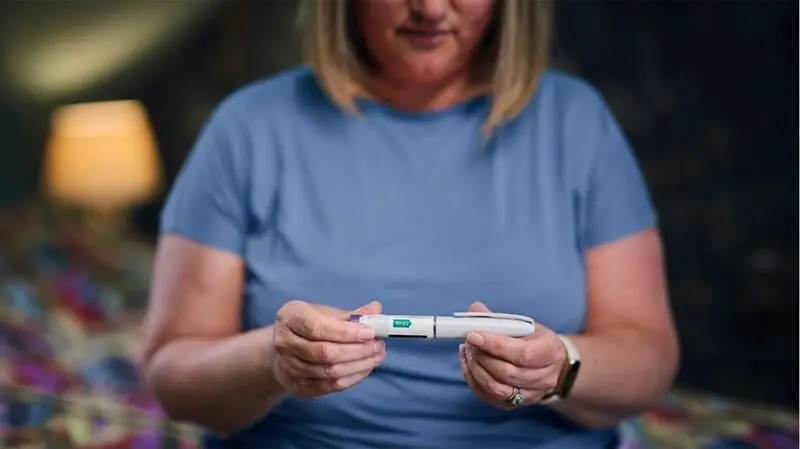
- The use of GLP-1 medications for weight loss continues to rise.
- One drawback associated with GLP-1 medications is that weight loss not only includes fat loss, but muscle loss as well.
- A new study found that over time, the majority of weight loss from GLP-1 medication was from fat loss, and not muscle loss.
The use of
And with the recent approval by the Food and Drug Administration (FDA) of the Wegovy pill for weight loss, researchers expect GLP-1 medication usage to continue to grow.
For this study, researchers analyzed findings and data from 36 previously-conducted studies. The selected studies examined the impact of GLP-1 and dual GLP-1/GIP agonists on weight loss and body composition changes in adults who were overweight or obese, and who may or may not have type 2 diabetes.
Upon analysis, scientists found that after using the medications for 3 months, participants experienced a loss of about 9% of their starting weight.
This weight loss included noticeable decreases in visceral adipose tissue — or abdominal fat — as well as fat body mass, waist circumference, and their body mass index (BMI).
However, after 3 months, researchers discovered only a modest loss in lean body mass.
Then after 12 months of GLP-1 usage, researchers reported that participants experienced major reductions in visceral adipose tissue and fat body mass.
And while there was apparent lean body mass loss, scientists found it was relatively modest when compared to the amount of body mass loss.
Medical News Today spoke with Mir Ali, MD, a bariatric surgeon and medical director of MemorialCare Surgical Weight Loss Center at Orange Coast Medical Center in Fountain Valley, CA, about this study.
Ali commented that this study’s findings align with his clinical experiences.
“Patients primarily lose fat when using these medications,” he explained. ”While some muscle loss may occur, the majority of the weight loss is fat loss.”
This is not the first study to show that weight loss from the use of GLP-1 medications may be lower than we think.
A study published in August 2025 found that lean muscle mass loss via a mouse model was less than previous studies had reported, and also found that a good portion of the
And research presented at the European Congress on Obesity (ECO 2025) reported that adults taking GLP-1 drugs were able to retain muscle while losing weight by strength training and eating enough protein.
MNT also had the opportunity to speak with Douglas R. Ewing, MD, FACS, DABOM, medical director of the Center for Weight Loss and Metabolic Health at Hackensack University Medical Center in New Jersey, about this study.
Ewing commented that as a doctor who treats patients who may be taking a GLP-1 medication, his first reaction to the study’s results was one of measured approval.
“It provides a robust meta-analysis that confirms what many of us have been observing in clinical practice: GLP-1 receptor agonists are effective for weight loss and, importantly, this weight loss appears to be of ‘high quality,” he explained. “This means patients are losing more fat mass than lean body mass, which is a critical factor for long-term health.”
Ewing said it’s crucial for researchers to continue examining how GLP-1 medications impact a person’s body composition for several reasons. He detailed:
“Muscle is more metabolically active than fat. A significant loss of muscle mass can lower a person’s metabolic rate, making it more challenging to maintain weight loss in the long run. Preserving muscle mass is essential for maintaining strength, mobility, and overall physical function. This is particularly important for older adults, who are already at a higher risk of falls and frailty.”
“Rapid weight loss can sometimes lead to sarcopenia, a condition characterized by the loss of muscle mass and function,” Ewing continued. “Continued research can help identify strategies to mitigate this risk, especially in vulnerable populations.“
“If a person loses a significant amount of muscle while on a GLP-1 and then stops taking the medication, they may be more prone to regaining weight, and this regained weight may be primarily fat,” noted Ewing.
For readers who may be taking a GLP-1 medication or considering taking one, Ewing offered these tips on how you can help retain muscle while still losing weight:
- prioritize protein: “Protein is the building block of muscle — I recommend patients should eat at least 1.0-1.2 grams of protein per kilogram of their ideal body weight,” Ewing said. Good sources of protein include lean meats, fish, eggs, dairy, tofu, and legumes.
- incorporate resistance training: Ewing said this is non-negotiable. “Strength training at least two to three times per week is vital for stimulating muscle growth and preserving lean body mass,” he explained. “This can include lifting weights, using resistance bands, or doing bodyweight exercises like squats and lunges.”
- don’t neglect aerobic exercise: Aim for at least 150 minutes of moderate-intensity aerobic activity each week, such as brisk walking, Ewing advised. “This is not only good for cardiovascular health but also helps with overall energy levels and can make it easier to stay consistent with workouts,” he added.
- get adequate sleep: Quality sleep is essential for muscle repair and growth, Ewing said.
- work with a team: “I encourage my patients to work with a registered dietitian to create a personalized nutrition plan and a physical therapist or certified trainer to develop a safe and effective exercise routine,” Ewing added.