




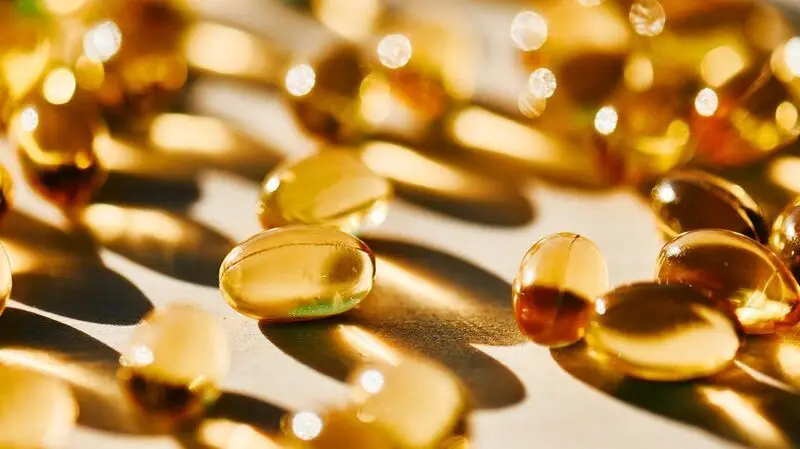
- Data provided by America’s Poison Centers indicates that there was a 38.7% increase in vitamin A overdoses between January and March 2025.
- This period coincides with the measles outbreak in 2025 affecting people in 45 jurisdictions of the United States.
- A new public Health research letter published in JAMA Network Open hypothesizes that the exposure to vitamin A is most likely due to the spread of misinformation regarding the role of this dietary supplement in the prevention and treatment of measles.
- The letter warns of the dangers of misinformation spread by sources widely trusted by the U.S. public.
- Medical News Today spoke to a family medicine physician and a dietitian to disentangle fact from fiction regarding the best sources of vitamin A, how much of it is too much, and whether it can really help prevent or treat measles.
According to America’s Poison Centers, between January 1 and March 31, 2025, there were 86 cases of “vitamin A exposures,” referring to overdoses of vitamin A, among children.
This, they note, represents “a 38.7% increase compared to the same period in 2024.” The figures are striking, particularly in relation to a dietary supplement that generally ought to be harmless.
So what happened? A team of researchers from Boston Children’s Hospital in Massachusetts, Harvard Medical School, the School of Public Health at the University of California, Berkeley, and the Department of Public Health at Brigham Young University in Provo, UT, have a hypothesis.
In a public health research letter recently published in
In 2025, there was a total of
The research letter authors link the increase in vitamin A exposures to the rise at that time in misinformation regarding the role that vitamin A might play in the prevention and treatment of measles.
In their research letter, the investigators argue that media claims from prominent public figures in office, claiming that vitamin A could help treat measles, were one likely catalyst for people to start over-administering it to their children.
Another catalyst, they suggest, were comments shared on a popular podcast, where famous figures likewise promoted vitamin A and cod liver oil as natural remedies for measles.
To support their argument, the investigators looked at internet search trends for the terms “vitamin A measles” and “cod liver measles” between January and June 2025 by using Google Search Trends.
This revealed that searches for “vitamin A” in relation to measles had risen by 7.5 percentage points compared to the expected average for those search terms, and that searches for “cod liver oil” had risen by 1.3 percentage points.
The increase in search volume further coincided with an observed increase in press coverage and social media posts on related topics.
The research letter places the emphasis on the dangers of spreading misinformation, but why exactly do the claims that vitamin A can help prevent or treat measles count as misinformation?
After all, the
To clarify, Medical News Today spoke to two experts: David Cutler, MD, a board-certified family medicine physician at Providence Saint John’s Health Center in Santa Monica, CA, and Michelle Routhenstein, MS, RD, CDCES, CDN, a preventive cardiology dietitian at EntirelyNourished.
Cutler explained that, once a person becomes infected with the measles virus, “there is no effective cure.”
“Treatment for someone with measles is simply supportive: maintaining adequate hydration, good nutrition and control of fever,” he told us. As for vitamin A, “it is essential for vision, immune function, skin integrity, and reproduction,” he noted.
“Supplementation can be helpful in specific situations, but excessive intake carries real risks because vitamin A is fat-soluble and can accumulate in the body. If your vitamin A levels are adequate, there is no benefit to supplementation, only risk,” the family physician stressed.
The only individuals who would see some benefits from taking vitamin A supplements, Cutler explained, are those with a vitamin A deficiency.
Routhenstein emphasized the same message, in no uncertain terms:
“Vitamin A does not prevent measles. In certain cases, specifically when a child is vitamin A deficient, the doctor may prescribe it in a child who already has measles to help reduce the severity of the illness and lower the risk of complications. However, it does not prevent someone from getting measles in the first place.”
In brief, vitamin A supplementation may help prevent complications in children with measles who already have a confirmed vitamin A deficiency. However, this dietary supplement cannot prevent infection with the measles virus, nor does it help treat measles once the infection has occurred.
“Vitamin A deficiency generally results from decreased dietary intake” of this nutrient, Cutler explained. “This can occur with newborns, which is why breast-fed infants receive vitamin supplements and infant formula is fortified with vitamin A [when necessary].”
“Symptoms of vitamin A deficiency may include night blindness, dry eyes, and increased infection risk. Vitamin A supplements are only needed in those with documented deficiency, unable to absorb the vitamin normally in their intestines, or for children in settings where there is low availability of vitamin A in the diet. High-dose vitamin A supplementation is uniquely beneficial in vitamin A-deficient children with measles. Detecting vitamin A deficiency can be confirmed with a blood test. This is important to do in light of the risks of excess vitamin A.”
— David Cutler, MD
“Most people in the U.S. who eat a varied diet get enough vitamin A and do not need additional vitamin A through supplementation,” Routhenstein noted.
“People at higher risk [of vitamin A deficiency] are those with malabsorption disorders, practice a severe dietary restriction, or [experience] signs like night‑blindness,” she pointed out.
“If you suspect vitamin A deficiency, it is important to speak with a healthcare professional for evaluation and, if needed, medically supervised supplementation can be advised rather than self‑dosing large amounts,” the dietitian advised.
In general, Cutler said, “fruits, vegetables, grains and fish all contain significant amounts of vitamin A; you are unlikely to become vitamin A deficient with a balanced diet and a Healthy gut.”
“Vitamin A is a fat‑soluble vitamin — meaning the body stores it — and excess, especially from supplements, can build up and cause toxicity affecting the liver, bones, skin, and nervous system,” Routhentein explained.
“For adults, ‘too much’ generally means routinely exceeding about 3,000 mcg RAE [micrograms Retinol Activity Equivalents], which is about 10,000 IU [International Units] per day of preformed vitamin A,” she advised.
“Some measles‑related misinformation promoted doses many times higher than this, in the 25,000-100,000 IU range, exceeding this regular threshold by 2.5 to 10-fold,” cautioned Routhenstein.
The
Children aged 1–3 years should take no more than 300 mcg RAE if needed, children aged 4–8 years no more than 400, and those aged 9–13 years no more than 600. Recommendations vary by age.
It is all too easy to take too much vitamin A due to the fact that it is fat-soluble, both experts stressed.
“Acute toxicity from vitamin A ingestion can result in nausea, vomiting, headache, dizziness and blurred vision,” said Cutler.
“With excess chronic ingestion organ damage can result to the liver, or cause hair loss, bone pain, dry skin and increased pressure from fluid in the skull. Birth defects can also result from vitamin A supplements so they should be avoided in pregnancy unless medically supervised,” he emphasized.
“Anyone who suspects an overdose should stop taking vitamin A supplements and contact Poison Control or their Healthcare provider. Severe symptoms, such as persistent vomiting, confusion, or vision changes, need immediate medical attention,” said Routhenstein.
“Vitamin A is found naturally in animal foods as preformed vitamin A (retinol) and in plant-based foods as provitamin A carotenoids,” Routhenstein told us.
As for the best sources, these all come from following a healthy, diverse diet rich in fresh, whole foods, she said:
“Vitamin A is found in liver, eggs, dark leafy greens, carrots, sweet potatoes, pumpkin, squash, mango, and cantaloupe. For most people, focusing on colorful fruits and vegetables is the safest way to meet vitamin A needs without approaching toxic levels.”
“I would pair […] plant-based foods with a source of healthy fat for optimal absorption since vitamin A is fat soluble and needs fat to be absorbed by the body,” the dietitian advised.
Ending on a cautionary note, Cutler also emphasized the importance of obtaining vitamin A through a healthy diet. While it “is an essential vitamin, and supplements may be beneficial in situations where there is a deficiency or a specific medical need, the potential risks must be weighed against any potential benefits,” he reiterated.
“In general, people should meet their vitamin A requirements through a varied, healthy diet and consider supplementation only under qualified medical supervision,” the family doctor concluded.