



- It’s not uncommon to lose bone density or mass as we get older, which can make older adults more prone to falls and fractures.
- Past research shows that falls are the second leading cause of unintentional injury-related death globally.
- There are ways to help us preserve better bone health as we age, including eating a healthy, vitamin D and calcium-rich diet.
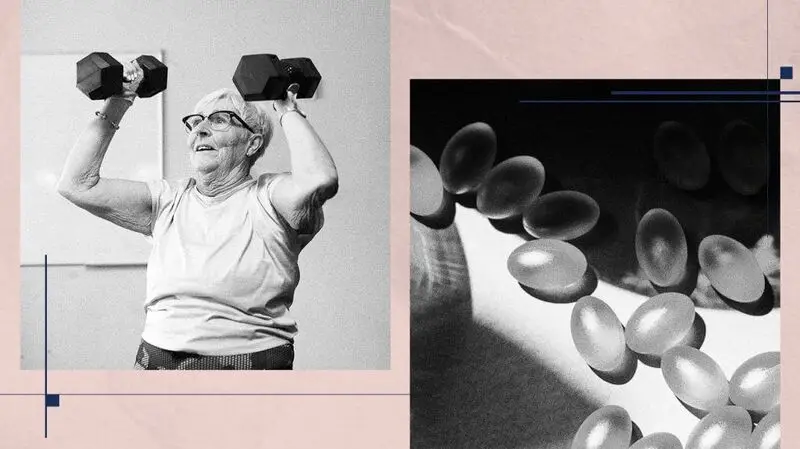
- A new study finds that vitamin D, calcium, or a combination of the two, may not offer as much bone protection as once thought.
It’s not uncommon to lose bone density or mass as we get older. As we age, our bones begin to break down, making them more porous and more prone to fractures. Hormonal changes, such as those associated with menopause, can also speed up bone density loss.
For this reason, older adults are more prone to falls and fractures.
Past research shows that falls are the second leading cause of unintentional injury-related death globally.
Previous studies show there are ways to help us preserve better bone health as we age, including not smoking, limiting alcohol use, participating in
Now, a new study published in the journal
For this study, researchers analyzed data from 69 previously conducted clinical trials, encompassing a total of almost 154,000 adults.
These studies all examined how calcium supplements, vitamin D supplements, or a combination of both impacted fall or fracture risk compared to a placebo or no treatment.
At the study’s conclusion, scientists found little to no decline in overall fracture risk from either supplement by itself or taken together. Additionally, they reported little to no benefit in preventing specific fractures, such as hip fractures, or in reducing fall risk.
Medical News Today spoke with Dung Trinh, MD, internist for MemorialCare Medical Group and chief medical officer of Healthy Brain Clinic in Irvine, CA, who was not involved in this study, commented that while this study is important, readers should find it clarifying rather than alarming.
“Calcium and vitamin D are important nutrients, but the BMJ review reinforces that supplements alone are not a meaningful fall- or fracture-prevention strategy for most older adults,” Trinh explained.
“I would not want patients to interpret this as ‘my bones are doomed’ or ‘I should stop everything my doctor prescribed.’ The real takeaway is that bone Health requires an individualized, comprehensive approach, especially for people with osteoporosis, vitamin D deficiency, very low calcium intake, malabsorption, kidney disease, or other medical conditions,” he said.
MNT also spoke with Jocelyn Wittstein, MD, an associate professor of orthopedic surgery at Duke University School of Medicine in North Carolina and co-author of the book The Complete Bone and Joint Health Plan: Help Prevent and Treat Osteoporosis and Arthritis, who emphasized that diet is just one part of fracture prevention.
“It has long been understood that calcium supplementation alone does not improve bone density or reduce fracture risk, and it is also known that calcium supplementation combined with vitamin D primarily benefits those with a vitamin D deficiency,” Wittstein, who was also not involved in this study, explained.
“I have always recommended getting calcium from food-based sources due to the known benefits of food synergy and the overall food matrix,” she said.
While calcium and vitamin D are important micronutrients for bone health, Wittstein said there are other micronutrients that are also important, such as:
- Magnesium — a necessary co-factor for vitamin D, also part of the structure of bone, and helps regulate parathyroid hormone (PTH)
- Vitamin C — helps with collagen cross-linking
- Vitamin K2 — activates osteocalcin and helps with bone mineralization
“Additionally, macronutrients like adequate protein and dietary fiber are important aspects of bone Health,” she continued. “Adequate dietary fiber results (in) production of short chain fatty acids (SCFA) by gut microbacteria, and SCFA inhibits some of the processes that increase bone resorption. Food components act synergistically to improve bone Health, and taking extra calcium or vitamins in the absence of chronic deficiency is not going to reduce fracture risk in the normal population.”
If calcium and vitamin D don’t protect bone health effectively as we age, then what does? Trinh said the best fall and fracture prevention plan goes beyond supplements.
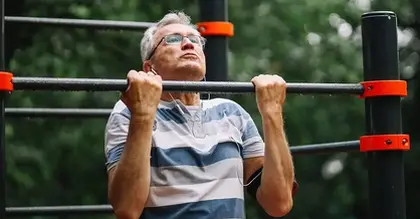
“It includes strength and balance training, regular physical activity, home safety improvements, medication review, vision and hearing checks, adequate protein and nutrition, osteoporosis screening when appropriate, and using assistive devices without stigma when needed,” he details.
“Falls often happen because of multiple overlapping risks, including muscle weakness, dizziness, poor vision, unsafe home environments, and underlying bone loss. For many older adults, building strength, improving balance, reducing hazards, and identifying osteoporosis are more effective than relying on a supplement bottle,” he explained.
And Wittstein said that exercise interventions are key to improving bone mineral density in people with osteopenia and osteoporosis, and to preventing these conditions and falls.
She recommended strength training two to three days a week, as well as impact exercises a few days a week if tolerated.
“Key components to maintaining and improving bone mineral density are resistance training — primarily increases lumbar spine bone density more than hip — and impact exercises, (which) primarily benefits the hip region. For those who can’t tolerate jumping exercises, less intense options like heel drops or moderate intensity stomping can create impact.”
— Jocelyn Wittstein, MD
“Impact causes something called mechanotransduction, which stimulates bone formation,” Wittstein continued. “For people who have osteoporosis, strength training and any form of impact often needs to be gradually introduced — beginning with core strengthening, posture work, and lighter resistance training and then progressing.”
Wittstein said that even walking regularly can help slow bone density loss and help reduce both fall and hip fracture risk. And balance training, agility training, and mobility exercises are also key to reducing fall risk, and multiple studies have shown that adding these interventions can reduce fall and fracture risk.
“Better bone mineral density reduces risk of fracture, but reducing all risk is equally as important because the fall on the outstretched hand is what causes the wrist fracture, or the fall on your side with loss of balance is what breaks the hip,” Wittstein said.
“Aside from exercises to make falls less likely, common sense interventions like having your vision checked, removing throw rugs, and use of night lights can help reduce falls,” she added.