




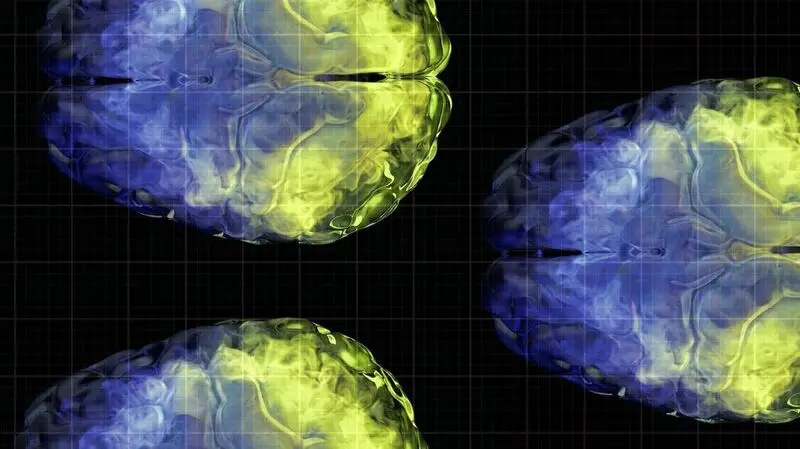
- As our body naturally ages, so does our brain, causing structural and connectivity changes.
- Previous research shows that consuming certain nutrients, like vitamin C, may assist with healthy brain aging.
- A new study found having low levels of vitamin C in blood plasma is correlated with a lower brain gray matter volume and connectivity during aging.
As our body naturally ages, so does our brain. Structurally, the brain loses volume of
Additionally, the brain undergoes changes in its neurons and neurotransmitters, which can impact brain connectivity and how it receives and sends communications.
Past studies show that followinh a healthy brain-focused diet may help slow brain aging and cognitive decline. Previous research also shows that certain nutrients, like omega-3 fatty acids,
Now a new study published in the journal
For this study, researchers analyzed blood samples and MRI scans of about 2,000 Japanese adults over the age of 64. Scientists measured participants’ gray and white brain matter volume, and blood plasma vitamin C levels.
“Vitamin C is a vital antioxidant, and its concentration in the brain (cerebrospinal fluid) is more than twice as high as in the blood,” Tomohiro Shintaku, MD, PhD, assistant professor in the Department of Radiology in the Graduate School of Medicine at Hirosaki University in Japan, and corresponding author of this study, told Medical News Today.
“While previous studies have shown that a diet rich in vitamin C is linked to a reduced risk of cognitive impairment like Alzheimer’s disease, it remains unclear how blood levels of vitamin C directly relate to large-scale brain networks. We wanted to fill this gap, as no previous studies had evaluated the association between plasma vitamin C levels and the default mode network (DMN), [which involves] brain areas that become more active when the brain is resting,” Shintaku explained.
“The brain is highly vulnerable to oxidative stress, and dietary antioxidants significantly contribute to protecting neurons from oxidative damage and maintaining overall neuronal function. As neurodegenerative diseases increasingly impact brain Health in older adults, understanding how modifiable lifestyle factors, like daily vitamin intake, can support cognitive reserve is crucial for public Health and preventative medicine.”
– Tomohiro Shintaku, MD, PhD
At the study’s conclusion, researchers found that study participants with lower blood plasma vitamin C levels regularly had lower gray matter volume, as well as lower connectivity within the DMN.
“Decreased gray matter volume generally reflects brain atrophy and gross neuronal loss,” Shintaku noted. “Additionally, the DMN is a key network for cognitive functions such as memory, and its lower connectivity is a known early clinical manifestation of cognitive impairment.“
“Therefore, the significance of our finding is that maintaining optimal vitamin C levels could potentially play a supportive role in mitigating age-related cognitive decline and preserving normal brain network integrity,” he told us.
Shintaku said that as this study is cross-sectional, they can only show an association, not a cause-and-effect relationship.
“Our next step is to conduct longitudinal investigations to observe temporal changes — specifically, how changes in plasma vitamin C levels over time affect brain structures and cognitive trajectories,” he detailed. “We also plan to incorporate comprehensive lifestyle assessments, including body mass index (BMI) and total dietary intake, to further clarify the independent contribution of vitamin C.”
MNT had the opportunity to speak with Peter Gliebus, MD, chief of neurology and director of cognitive and behavioral neurology at Marcus Neuroscience Institute, a part of Baptist Health South Florida, about this study.
Gliebus, who was not involved in this research, commented that his initial reaction to its findings was optimistic.
“It suggests a potentially simple and accessible way to support brain health, as maintaining adequate vitamin C levels may help preserve connectivity in key brain regions, including the default mode network,” he explained. “This network plays an important role in functions such as short-term memory, introspection, and self-referential thinking.”
“It is important to continue scientifically evaluating how brain function changes with aging and how vitamin levels influence these processes,” he continued.
“As we get older, absorption may decline, and diets may become deficient in key nutrients, so understanding the underlying mechanisms and their impact is critical. This also highlights the potential for relatively simple interventions, such as optimizing vitamin levels, as a preventive strategy to help maintain cognitive health or slow cognitive decline,” said Gliebus.
MNT also spoke with Dung Trinh, MD, an internist at MemorialCare Medical Group and chief medical officer of the Healthy Brain Clinic in Irvine, CA, who was also not involved in this study.
Trinh said he found this to be an interesting and encouraging study, but one that needs to be interpreted carefully.
“Many older adults are understandably concerned about memory, cognition, and maintaining independence as they age, so research that connects everyday health factors — like nutrition — with brain structure is important,” he explained.
“This study found an association between higher plasma vitamin C levels and MRI markers of brain health, including gray matter volume and connectivity in the default mode network, which is involved in several cognitive functions. That said, the study does not prove that vitamin C prevents cognitive decline or that taking supplements will improve brain health. It is best viewed as a signal that vitamin C status may be one piece of a much larger brain-health picture.”
– Dung Trinh, MD
Trinh suggested the next step in this research be longitudinal studies that follow people over time to see whether vitamin C levels predict changes in brain volume, brain network connectivity, or cognitive performance.
“It would also be useful to have repeated vitamin C measurements, more detailed dietary data, and better accounting for factors such as body mass index, socioeconomic status, and overall diet quality,” he detailed. “Ultimately, randomized clinical trials would be needed to determine whether improving vitamin C status can actually change brain outcomes.”
“I would also like to see this research replicated in more diverse populations, since this study focused on older Japanese adults,” Trinh continued.
“For patients, the practical takeaway is not to rush to high-dose supplements, but to maintain a healthy dietary pattern that includes vitamin C-rich foods, such as fruits and vegetables, along with other proven brain-health habits,” he advised.