




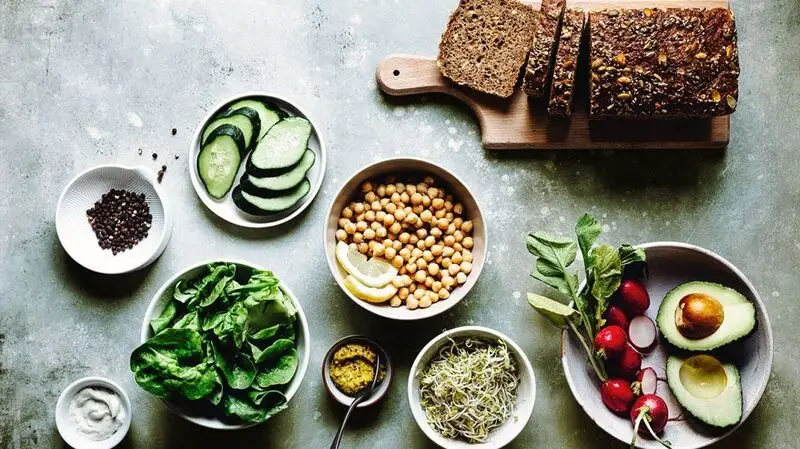
- A recent study suggests that close adherence to healthy dietary patterns was associated with an additional 1.5 to 3.0 years of life.
- Benefits of healthy eating plans were observed regardless of genetic predisposition to shorter life span, suggesting diet can help offset inherited risk.
- Dietary plans rich in whole grains, fruits, vegetables, and other plant-based foods appeared to play a particularly important role in supporting longevity.
It is well established that following a healthy dietary plan is
Certain dietary approaches have associations with lower mortality and healthy longevity. Typically, these patterns share many common components, such as including nutrient-rich foods, while reducing the intake of less nutritionally dense foods.
While evidence shows that dietary factors are modifiable and people can change eating patterns to improve longevity, non-modifiable factors remain.
Notably, this includes genetics and a predisposition for a shorter lifespan, with research suggesting these individuals may be 21% more likely to die early than those genetically predisposed to a long life.
However, research published in Science Advances indicates that dietary patterns can still have a meaningful impact on life expectancy, regardless of genetic predisposition.
Liangkai Chen, PhD, associate professor at Huazhong University of Science and Technology and one of the study authors, told Medical News Today:
“Our main takeaway is that consistently following any of several well-established healthy dietary patterns can meaningfully extend your life—potentially adding 1.5 to 3.0 years of life expectancy from mid-life onward.”
“This benefit holds true regardless of the genes you were born with, empowering you to positively influence your longevity through your daily food choices,” said Chen.
The study, led by researchers at the University of Science and Technology in China, analyzed dietary and genetic data from more than 100,000 participants in the UK Biobank, a long-term health database containing rich lifestyle and health records.
Over roughly 10 years of follow-up, the research team examined how closely study volunteers’ dietary plans matched 5 well-established healthy eating patterns and estimated how these patterns correlated with life expectancy.
The 5 dietary patterns assessed were:
- Mediterranean diet
- Diabetes Risk Reduction Diet (DRRD)
- DASH diet
- Plant-based diet
- Alternative Healthy Eating Index (AHEI)
In addition to how closely their eating habits matched the dietary patterns, the research team also calculated the participants’ genetic predisposition to longevity.
By modeling expected life spans at age 45, researchers found that people with higher adherence to Healthy dietary plans were estimated to live several years longer than those with the least Healthy eating habits.
The researchers estimate that people could gain the following extra years by adhering to these dietary patterns:
- Mediterranean diet: Approximately 2.2 extra years in males and 2.3 in females
- DRRD: Roughly 3 extra years for males and 1.8 for females
- DASH diet: Around 2.3 extra years in males and 1.6 in females
- Plant-based diet: About 1.9 extra years in males and 1.5 for females
- AHEI: Close to 2.4 extra years in males and 1.9 in females
Notably, these findings suggest that certain components of these eating plans, such as whole grains, fruits, and vegetables, are particularly important in driving longevity benefits.
“In our analyses, two components stood out with particularly strong and opposing associations. Higher intake of dietary fiber showed the strongest inverse association with all-cause mortality,” Chen told MNT.
“Conversely, consumption of sugar-sweetened beverages showed the strongest positive association. This underscores the dual importance of increasing intake of whole, plant-based foods and reducing intake of sugary drinks.”
— Liangkai Chen, PhD
Michelle Routhenstein, MS, RD, CDCES, CDN, a registered dietician specializing in heart disease, who was not involved in the research, also highlighted the potential benefits of a higher fiber intake:
“When you step back and look at the full picture, the pattern is clear. Emphasize minimally processed, fiber-rich plant foods and reduce sugary drinks and ultra-refined carbohydrates. It is not about perfection. It is about consistently supporting the biological systems that protect long-term heart health.”
Importantly, the study findings suggest that the positive association between diet quality and longevity was independent of genetic risk for shorter life.
That means even individuals with genetic profiles traditionally linked to lower longevity could still benefit from eating well.
This challenges the idea that genes alone determine life span and reinforces the role of lifestyle in shaping Health outcomes.
“While we expected a benefit, quantifying it in tangible ‘years of life gained’ makes the impact of a healthy diet powerfully concrete,” Chen told MNT.
“Gaining up to 3 extra years is a substantial return on the investment of improving your diet, and it powerfully translates the known reduction in mortality risk into a message everyone can understand,” said Chen.
“Our findings offer an encouraging message of flexibility and personal agency. There is not just one ‘best’ diet for a longer life. The common thread is a high-quality diet rich in dietary fibre and low in sugar-sweetened beverages and ultra-processed items.”
– Liangkai Chen
Although the study is observational, meaning it cannot prove cause and effect, it adds to substantial evidence linking diet quality to overall health and mortality risk.
Experts often recommend adopting sustainable, culturally appropriate dietary habits as part of broader strategies to promote healthy aging. Introducing gradual, lasting changes is typically the most effective long-term strategy.
Discussing which dietary changes could have the biggest impact on longevity, Chen told MNT:
“It is important to note that all 5 patterns showed significant benefits, and the ‘best’ pattern is ultimately the Healthy one a person can best adhere to.”
“A highly impactful and realistic change is to systematically increase your intake of whole plant foods while reducing ultra-processed items and sugary drinks.”
– Liangkai Chen
A growing body of nutritional research suggests that eating patterns rich in whole foods (particularly plant-based foods), balanced fats, and minimal added sugars can support long-term well-being.
“This could mean committing to filling half your plate with fruits and vegetables at meals, swapping refined grains for whole grains, choosing nuts for snacks, and replacing sugary beverages with water or unsweetened tea. This shift aligns with the core principle shared by all the beneficial diets we studied,” Chen said.
Similarly, Routhenstein also emphasized making small, consistent changes to help support longevity:
“Start small, one meal or habit at a time. Gradually add fiber to give your digestive system time to adjust. Add one fiber-rich food serving to a meal at a time, such as oats, beans, lentils, whole grains, fruits, or vegetables.”
While the study highlights the potential life-extending impact of healthy dietary patterns, it is important to emphasize that diet is only one facet of a healthy lifestyle.
Regular physical activity, adequate sleep, and avoidance of tobacco and excessive alcohol can also play crucial roles in determining overall health and longevity.