




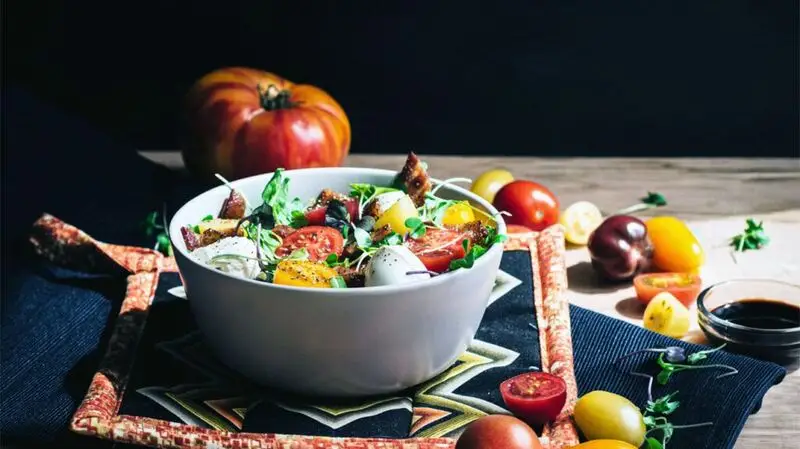
- A new study suggests that women who closely follow a Mediterranean-style diet may have a lower risk of experiencing all major types of stroke, including ischemic and hemorrhagic stroke.
- The results show that those with the highest adherence to the Mediterranean diet were 18% less likely to have any stroke compared with those with the lowest adherence.
- Higher adherence to the dietary plan was linked to a 16% lower risk of ischemic stroke and a 25% lower risk of hemorrhagic stroke after adjusting for lifestyle and health factors.
- However, the study was observational, meaning it shows an association rather than a direct cause-and-effect relationship, and relied on self-reported dietary data.
Stroke describes a disease that impacts the arteries leading to and within the brain. Evidence highlights that it is the
There are
Evidence notes that the lifetime risk of stroke is higher in women than in men, and they are also more likely to experience worse stroke outcomes. In fact, roughly
Stroke risk increases with age. As women typically live longer than men, they are more likely to experience a stroke in their lifetime. Additionally, they also face unique risk factors for stroke,
Preventive strategies for stroke
Furthermore, evidence indicates an association between this dietary plan and supporting cardiovascular health in women.
Adding to this growing body of evidence, a new study published in Neurology Open Access, notes that close adherence to the Mediterranean diet was associated with fewer overall strokes in women.
Sophia S. Wang, PhD, epidemiologist at City of Hope, a cancer research and treatment organization, and corresponding author of the new study spoke to Medical News Today about the research.
“Hemorrhagic stroke is less common than ischemic stroke, and while they have some risk factors in common, many are not the same. Identifying modifiable behaviors that can reduce risk is therefore important for prevention efforts,” Wang explained.
“We were interested in stroke in women because stroke risk increases sharply post-menopause,” she added. “We wanted to understand if there were behavioral and lifestyle factors that could potentially negate that future risk.”
“Adhering to a Mediterranean diet can reduce the risk for all strokes. In other words, a Mediterranean diet can reduce the risk for both stroke subtypes: ischemic and hemorrhagic stroke,” Wang further noted.
The research followed 105,614 women with an average age of 53, who had no history of stroke at the start of the study.
Participants completed detailed dietary questionnaires and were assigned a Mediterranean diet score ranging from 0 to 9, based on how closely their eating habits aligned with the diet.
A higher score reflected greater consumption of whole grains, fruits, vegetables, legumes, fish, olive oil, a moderate alcohol intake, as well as a lower intake of red meat and dairy products.
Roughly 30% of participants had scores of 6 to 9, representing the highest group, while 13% had scores of 0 to 2, the lowest group.
Over an average follow-up period of 21 years, researchers documented 4,083 strokes, including 3,358 ischemic strokes and 725 hemorrhagic strokes.
Michelle Routhenstein, MS, RD, CDCES, CDN, a registered dietitian who specializes in heart disease, spoke to MNT about these findings:
“From a cardiovascular science perspective, the overall direction of the findings is not surprising. Mediterranean-style eating has long been linked to improvements in blood pressure, cholesterol, insulin sensitivity, and inflammation, key drivers of stroke risk.”
“What stands out in this study is the size and consistency of the benefit across all stroke subtypes in women,” Routhenstein, who was not involved in the recent research, highlighted.
“In more than 100,000 women followed for nearly 20 years, higher adherence to a Mediterranean diet was associated with a lower overall stroke risk, including about a 25% lower risk of hemorrhagic stroke,” she pointed out.
“This finding is particularly noteworthy because diet has historically been more strongly linked to ischemic stroke, which is driven by plaque buildup and vascular blockage, while hemorrhagic stroke has shown a weaker and less consistent dietary association,” said Routhenstein.
For ischemic strokes, there were 1,058 among the 31,638 people in the highest group, and 395 cases among the 13,204 people in the lowest group. For hemorrhagic stroke, there were 211 strokes among the highest group and 91 among the lowest.
After adjusting for factors such as smoking, physical activity, and high blood pressure, the researchers found that women with the highest Mediterranean diet scores were 18% less likely to experience any type of stroke compared with those with the lowest scores.
They were also 16% less likely to have an ischemic stroke and a 25% less likely to have a hemorrhagic stroke.
Also commenting on why the findings relating to hemorrhagic stroke were particularly noteworthy, Wang added: “Hemorrhagic strokes are more fatal than ischemic strokes and their risk factors do not entirely overlap, so what causes ischemic stroke does not necessarily cause hemorrhagic stroke and vice versa.”
“The influence of a Healthy diet and ischemic stroke has been well-established, but the relationship with hemorrhagic stroke is less clear. A behavioral factor that could influence hemorrhagic stroke is thus noteworthy as interventions prior to stroke incidence is ideal for prevention efforts,” she told us.
Although the results of the study are promising, the authors note that it relied on self-reported dietary information, which can be subject to recall errors.
Additionally, the study was observational, meaning that it cannot prove that the Mediterranean diet directly prevents strokes.
The researchers add that further studies are necessary to confirm the findings and better understand how dietary patterns may influence stroke risk.
When asked whether these findings may apply to males or more diverse populations, Wang said: “There have been a number of studies demonstrating the benefits of the Mediterranean diet that include men and across different populations for ischemic stroke and other cardiovascular diseases.”
“Based on that precedence, it is plausible that the findings for hemorrhagic stroke would also apply to men and/or more diverse populations,” she noted.
Although more research is needed to establish a direct link between stroke reduction and the Mediterranean diet, many Health experts associate the dietary plan with
Speaking on how the Mediterranean diet may reduce stroke risk, Routhenstein added:
“Emphasis on extra-virgin olive oil, omega-3–rich fish, fruits, vegetables, legumes, nuts, and seeds supports endothelial function, improves cholesterol quality, and helps regulate blood pressure, blood sugar, and inflammation.
“At the same time, lower intake of red and processed meats, sodium and refined sugars reduces atherosclerosis and vascular injury. Together, these effects promote healthier blood vessels and plausibly reduce the risk of both ischemic and hemorrhagic stroke,” she advised.
Organizations such as the
In particular, the Mediterranean diet emphasizes eating vegetables, fruits, whole grains, beans, and legumes, as well as low-fat dairy, fish, poultry, and olive oil, while limiting red meat, added sugars, and processed foods.
Commenting on methods to incorporate the Mediterranean diet into a dietary plan, Routhenstein said that “the most practical approach is to gradually adapt existing habits rather than starting from scratch.”
“Simple changes and habits that you build over time can take away the overwhelm. Things such as using olive oil instead of butter, choosing whole grains over refined carbohydrates, and replacing a few red-meat meals each week with fish or legumes, can make a meaningful difference,” she suggested.
“The Mediterranean diet is flexible, affordable, and adaptable to many cultural cuisines, and it should be tailored to each individual’s health status, preferences, and lifestyle,” said Routhenstein.
“This study reinforces that consistent, long-term adherence to a personalized Mediterranean-style eating pattern can be a powerful and realistic tool for reducing stroke risk in women,” she concluded.